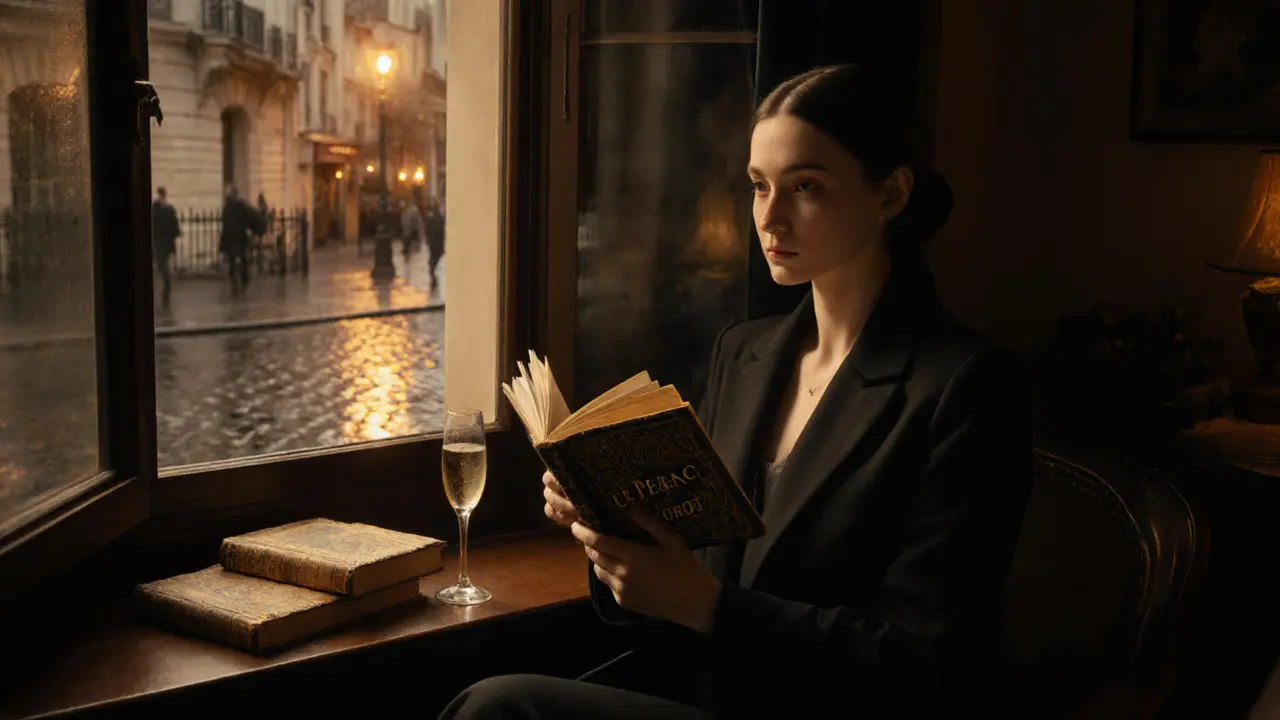
Paris Nightlife History: From Bohemian Cabarets to Modern Escort Scenes
When you think of Paris nightlife history, the evolution of after-dark culture in Paris, from 19th-century cabarets to today’s discreet companionship networks. Also known as Paris after-dark culture, it’s not just about bars and clubs—it’s about connection, secrecy, and survival in a city that’s always been drawn to the edge of propriety.
The roots of modern Paris nightlife run deep. In the 1800s, Montmartre wasn’t just an artistic hub—it was where performers, poets, and patrons blurred lines between entertainment and intimacy. Cabarets like Le Chat Noir didn’t just serve drinks; they offered access—to conversation, to art, to people who lived outside the rules. These spaces quietly laid the groundwork for what would become today’s escort industry in Paris. Women and men who offered companionship weren’t just hired for sex—they were hired for presence, for wit, for the ability to make someone feel seen in a city that often feels anonymous. This wasn’t exploitation; it was an unspoken economy built on trust, discretion, and mutual need.
Fast forward to today, and the same patterns hold—but the players have changed. The escort industry in Paris, a professionalized network of independent companions offering tailored experiences, often tied to tourism, culture, and luxury. Also known as high-end Paris companionship, it’s no longer hidden in back alleys—it’s curated in private messages, booked through encrypted apps, and paid for with the same care as a Michelin-starred dinner. What hasn’t changed is the demand for authenticity. Clients don’t want a stereotype. They want someone who knows the quiet corner of a jazz bar in the 6th, who can explain the history behind a painting at the Louvre, or who knows which bistro still serves the same wine it did in 1972.
The Paris escort culture, the social norms, unspoken rules, and economic realities that shape how companionship is offered and received in the city. Also known as French intimacy economy, it’s deeply tied to how France views privacy, independence, and personal freedom. Unlike places where sex work is criminalized or stigmatized, Paris has always tolerated—sometimes even celebrated—the gray areas. The 18th arrondissement, once a haven for artists and outcasts, still holds that energy. Today, you’ll find escorts working from apartments in Montmartre, not because they’re desperate, but because they’ve built a business that fits their life.
Legal changes in 2016 made advertising illegal, but they didn’t stop the demand. Instead, they pushed the industry further underground—and more professional. Today’s top escorts in Paris don’t rely on flyers or websites. They rely on word-of-mouth, trusted networks, and personal branding. Their clients? Executives, diplomats, artists, travelers looking for more than a postcard experience. This isn’t about fantasy. It’s about real connection in a city that’s built on it.
What you’ll find in the posts below isn’t a list of services. It’s a map. A map of how Paris nightlife evolved, who shaped it, where it lives today, and how to navigate it safely. From the legal gray zones in the 7th arrondissement to the cultural impact of escorts in literature and fashion, these stories reveal the real heartbeat beneath the city’s glittering surface. No myths. No hype. Just the truth, laid out plainly, like a glass of wine on a quiet Parisian terrace at midnight.